Non-Addiction
Non-addiction is what meditation teacher and author Joeseph Goldstein calls the Buddhist practice of renunciation in order to reframe it—in a positive light—for Westerners. I like this phrase in terms of how it applies to my life: I’ve never had coffee, I abstain from alcohol, and, relevant to this email/post, a car and social media are not parts of my life.
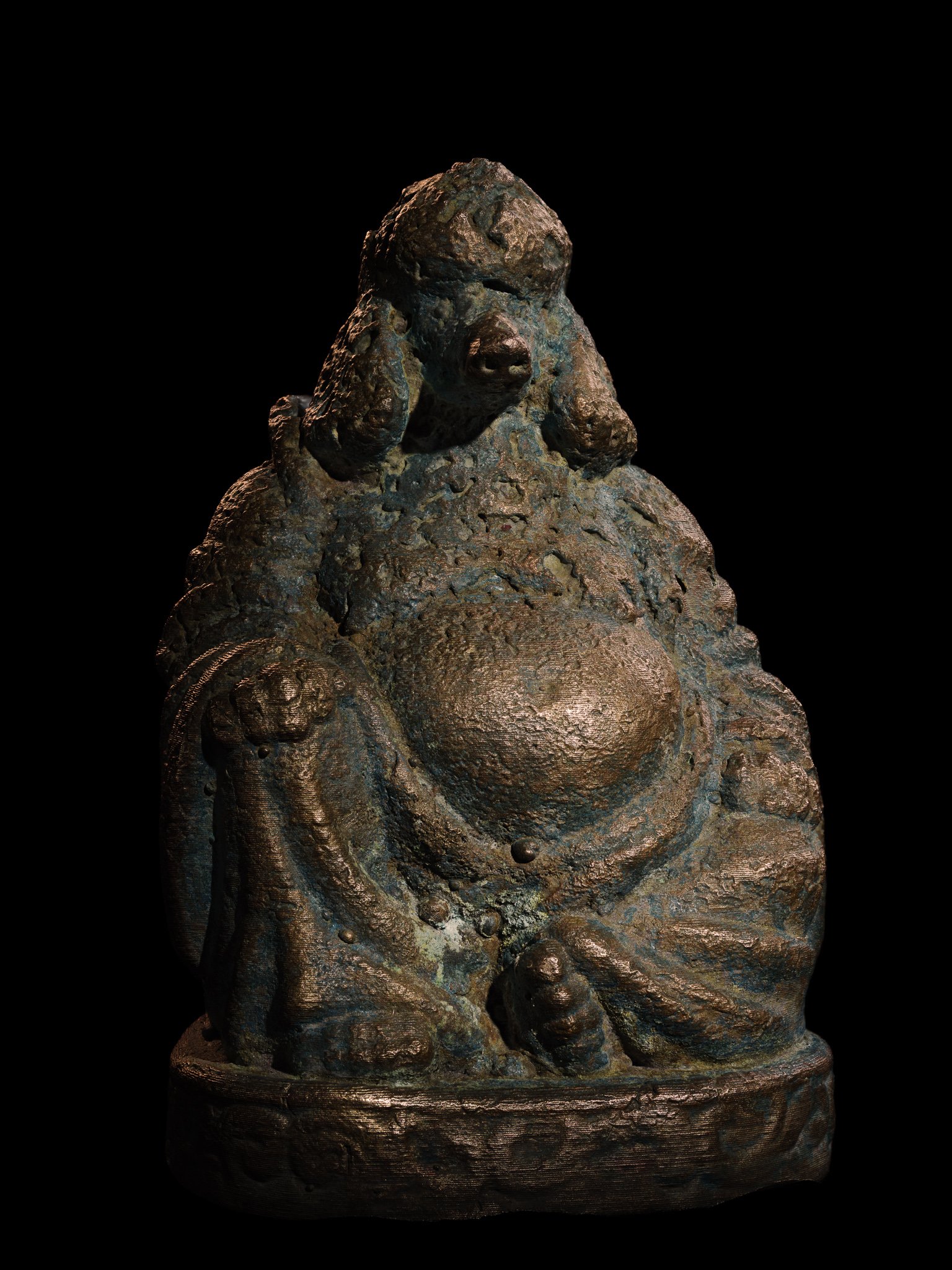
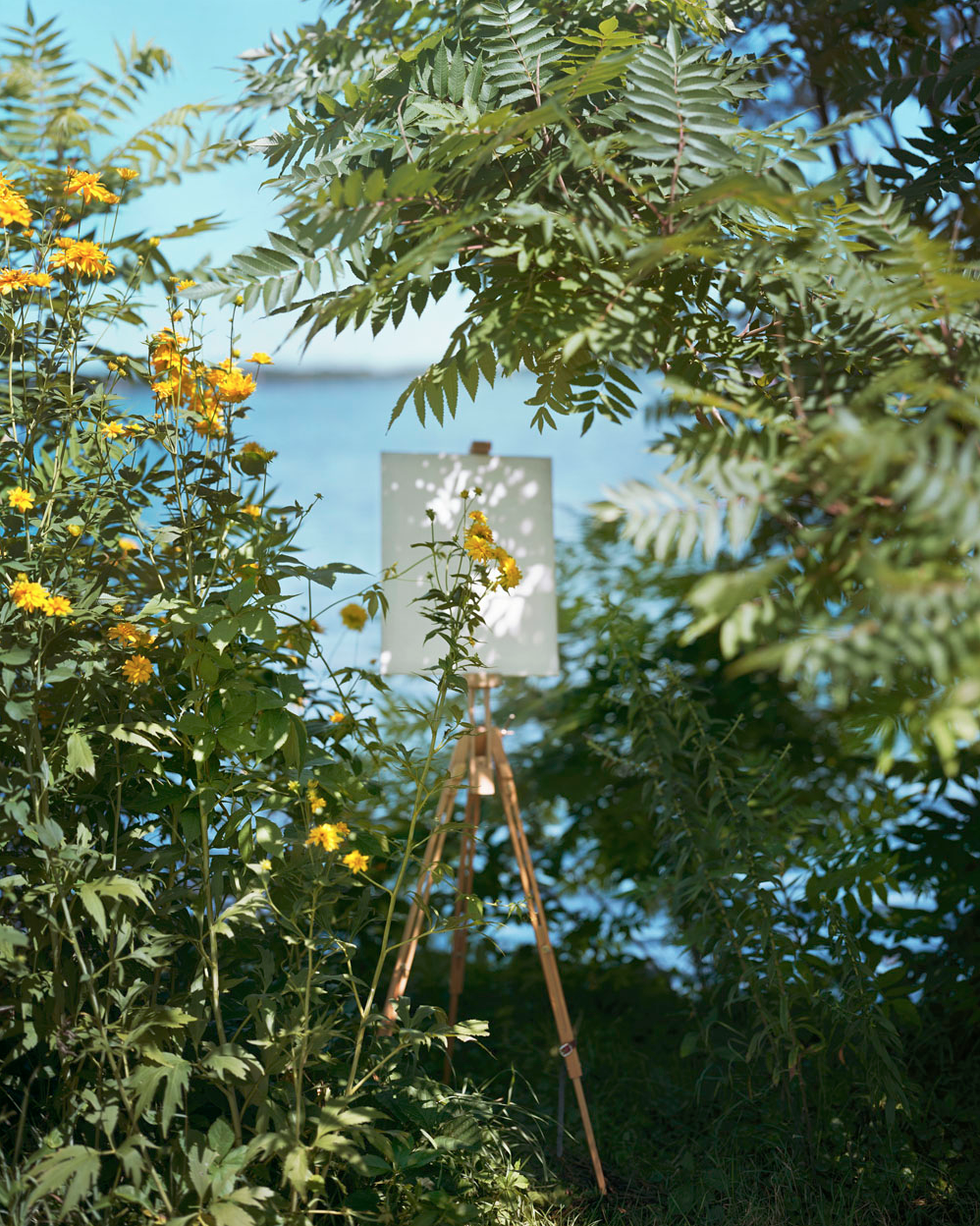
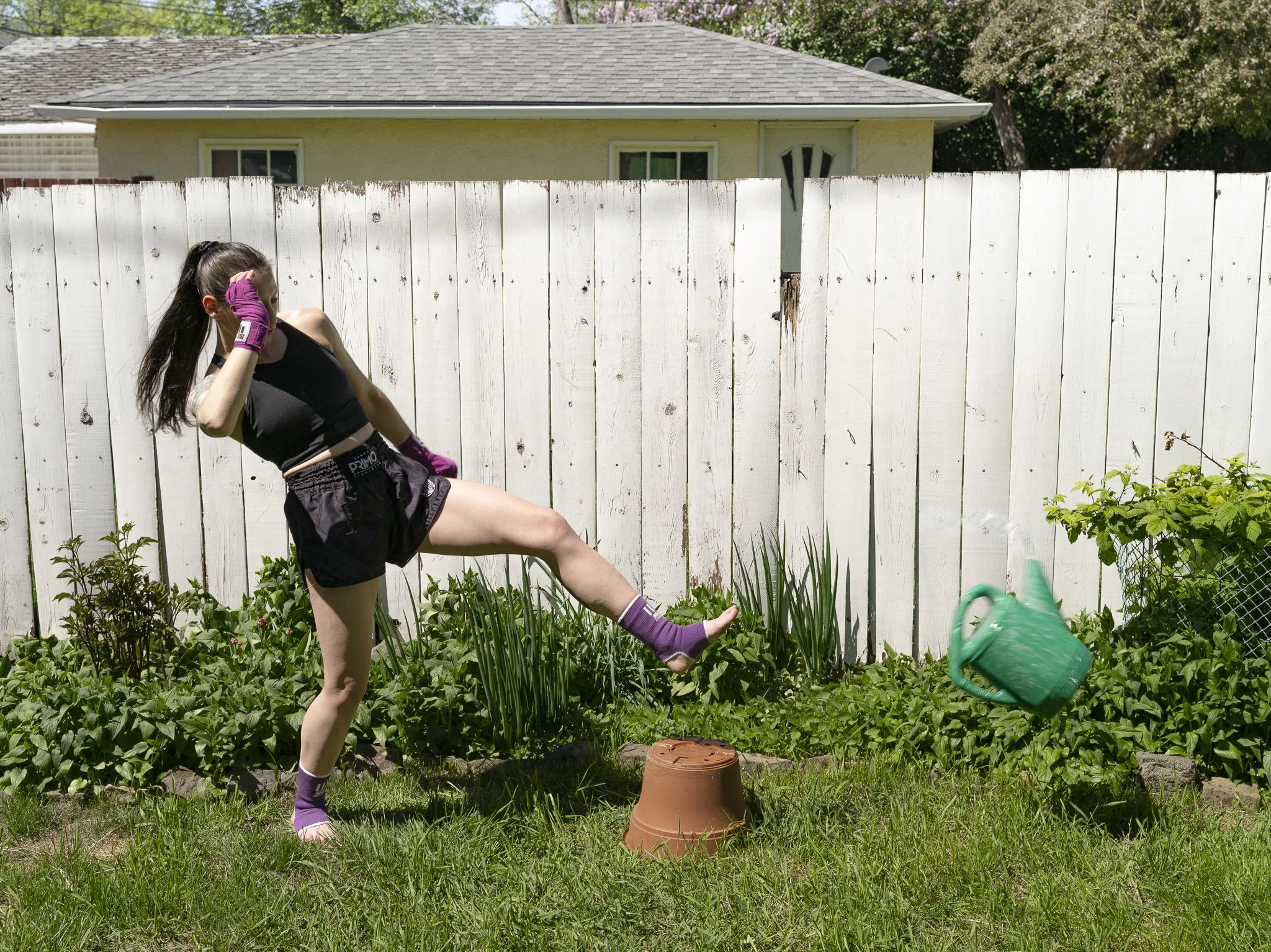
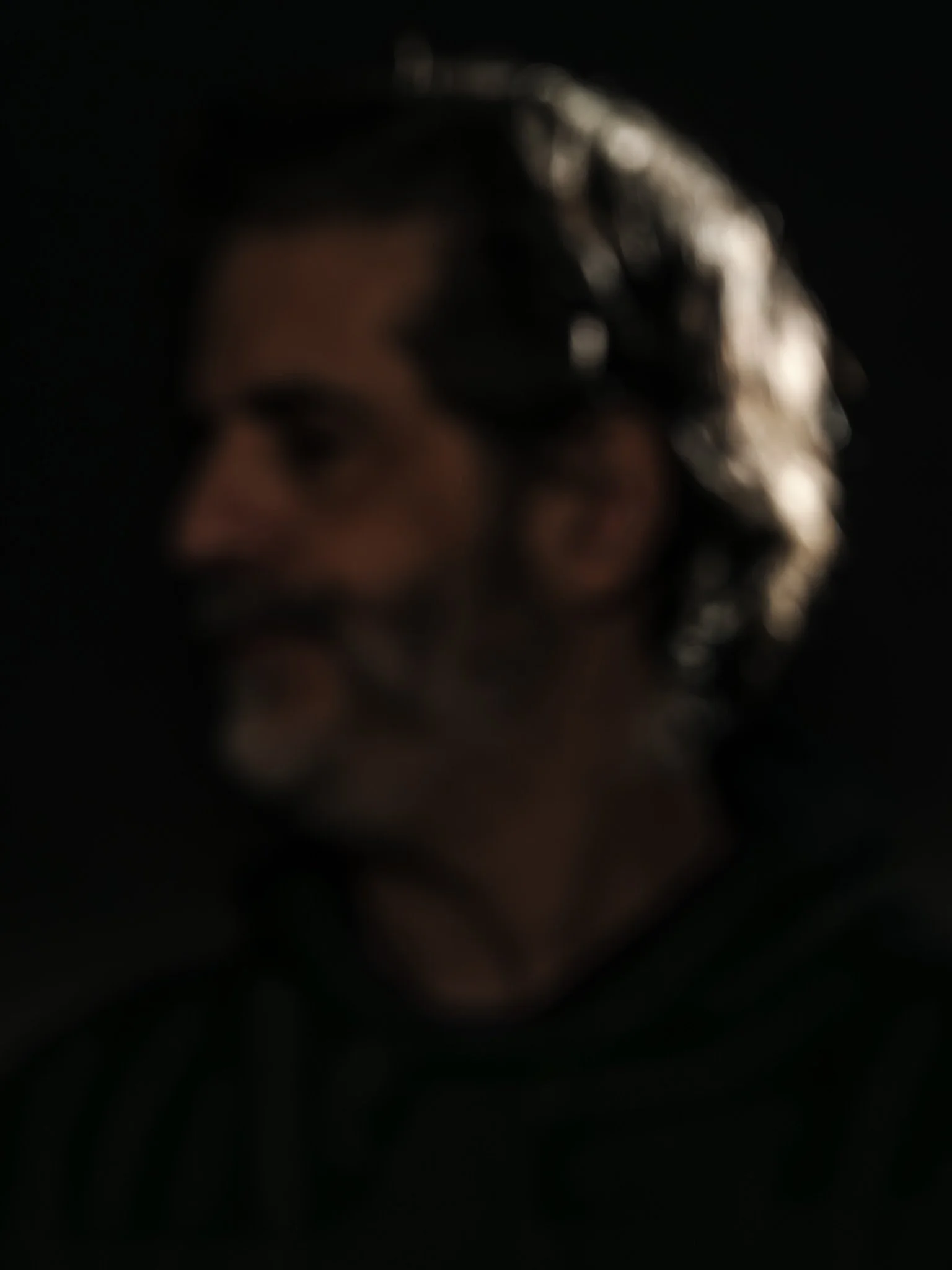
Fig. 1. An image from my MFA Photography thesis project.
Social Media
The warehouse manager at my old workplace didn’t have a cellphone. At the time I thought it was a quirky quality of a gen-x’er, but now it sounds like a liberating quality. Imagine no phantom buzzing in your pocket when you’re having a conversation. Imagine saying “I don’t have a phone” to someone who will end up trying to sell you something once they have your number. I’m not quite there yet, as I also imagine wanting to call 911 but instead running around yelling for help, but my point is to question my dependence on what I’ve been told I need. Once I start this questioning, I often end up seeing how I’ve been coerced into buying something, getting used to it, and perhaps falling into something close to an addiction.
I was in charge of my department’s Instagram account for the last four months and had it installed on my work phone. I soon followed dozens of friends’ accounts and took to scrolling and watching stories and sending my wife Haley cute animal videos. It erased at least an hour from my day, every day. It had been three years since I deactivated social media for two reasons:
1. I realized that my end goal was to become an ad-agency.
The end goal of many of my photographs was to end up on Instagram. Each of these were akin to buying a lottery ticket to get noticed by enough of or the right people who would lead me to something like paradise. I was selling myself so I could continue to sell more of myself or make even more money selling ad space. This is the goal of the influencer: take a passion (photography, technology, fashion, etc.) and use it as rocket fuel for establishing an ad-agency.
2. I don’t need it to talk to or see my friends
My cell phone lets me call people and it also has a text messaging function. You are reading this via email or my website.
Master of Fine Arts Candidacy
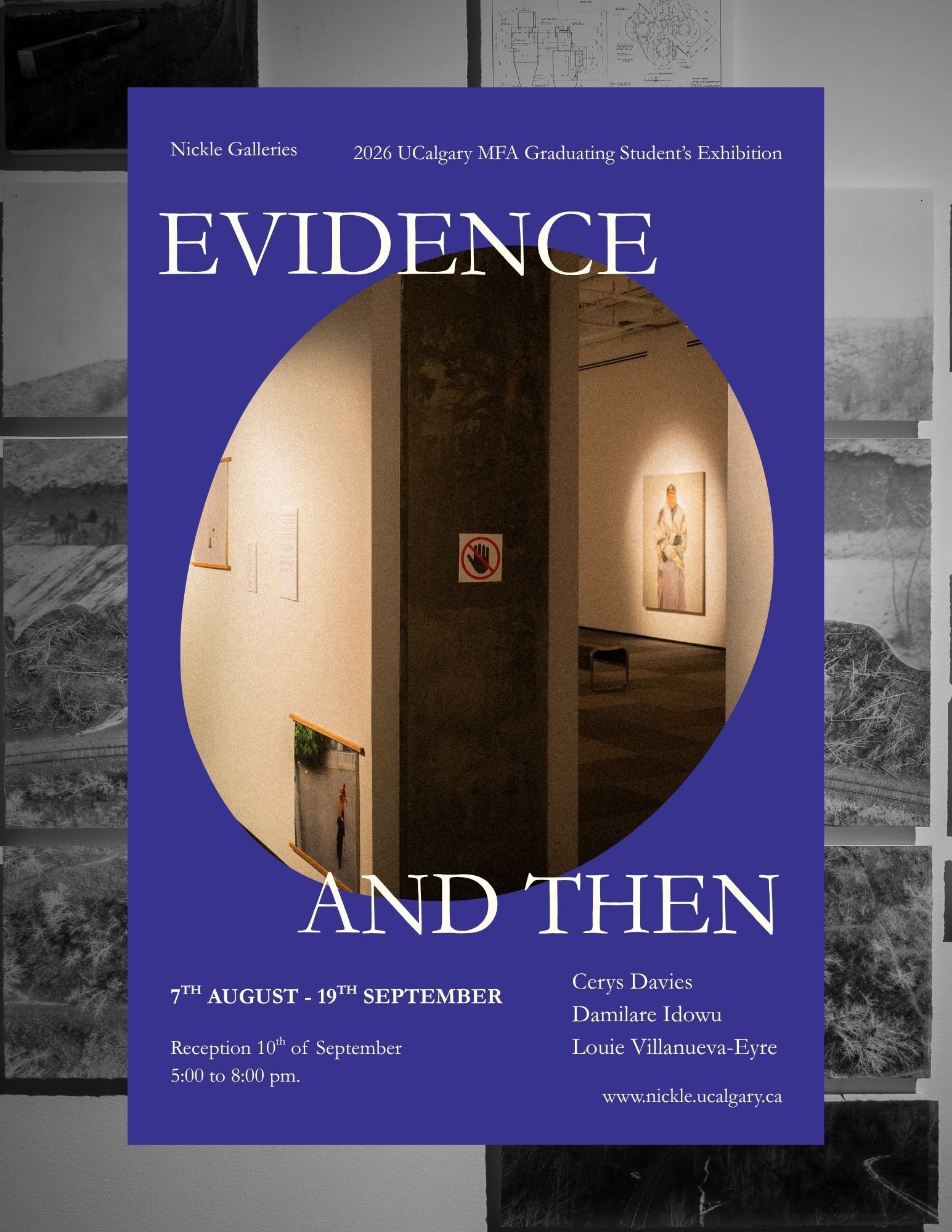
I found myself working at the University of Calgary Department of Art and Art History—an institution I dropped out of when I found myself too busy with photography and too depressed to function in a classroom—neglecting my personal work without the dopaminergic rush of anticipating likes on Instagram and decided to apply to the MFA program. I’m 2/3rds of the way though it and a wonderful partnership with my supervisor, David Simmonds.
The end of the program is marked by a thesis exhibition in August/September, until then, some teaching, class, studio work, and the rest of life needs to happen.
Car-free
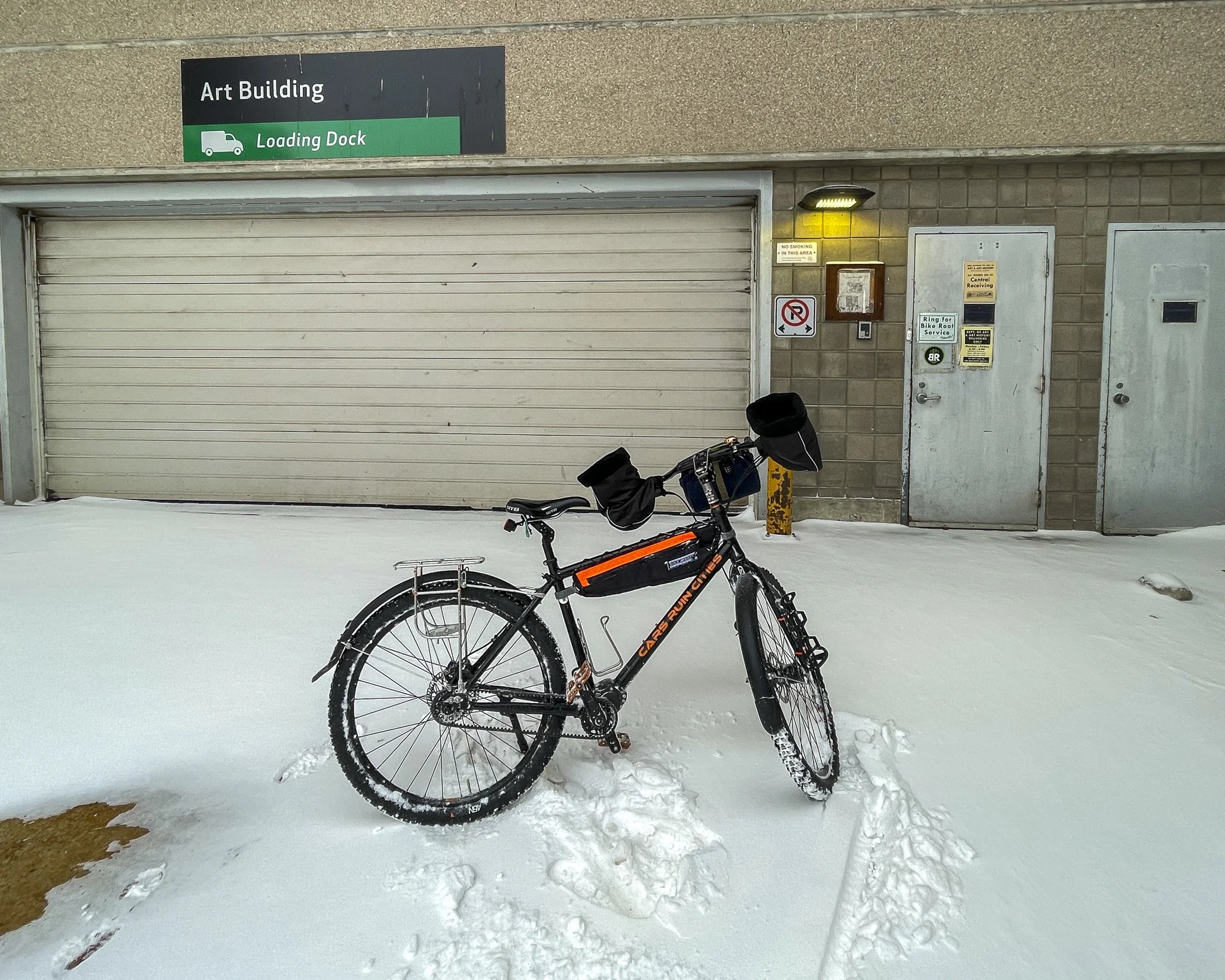
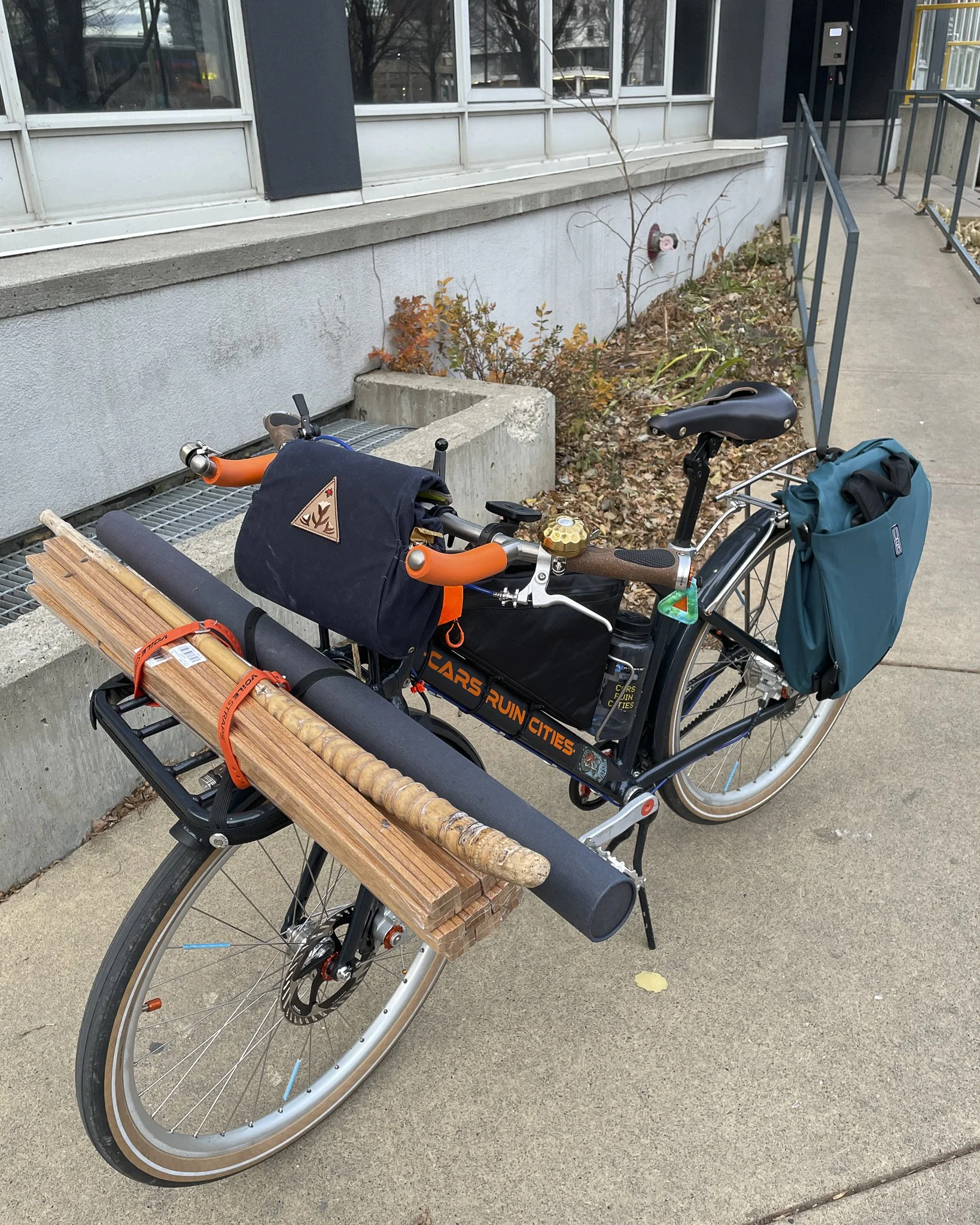
Fig. 2. A Priority 600 with 45nrth Kahva Studded Tires
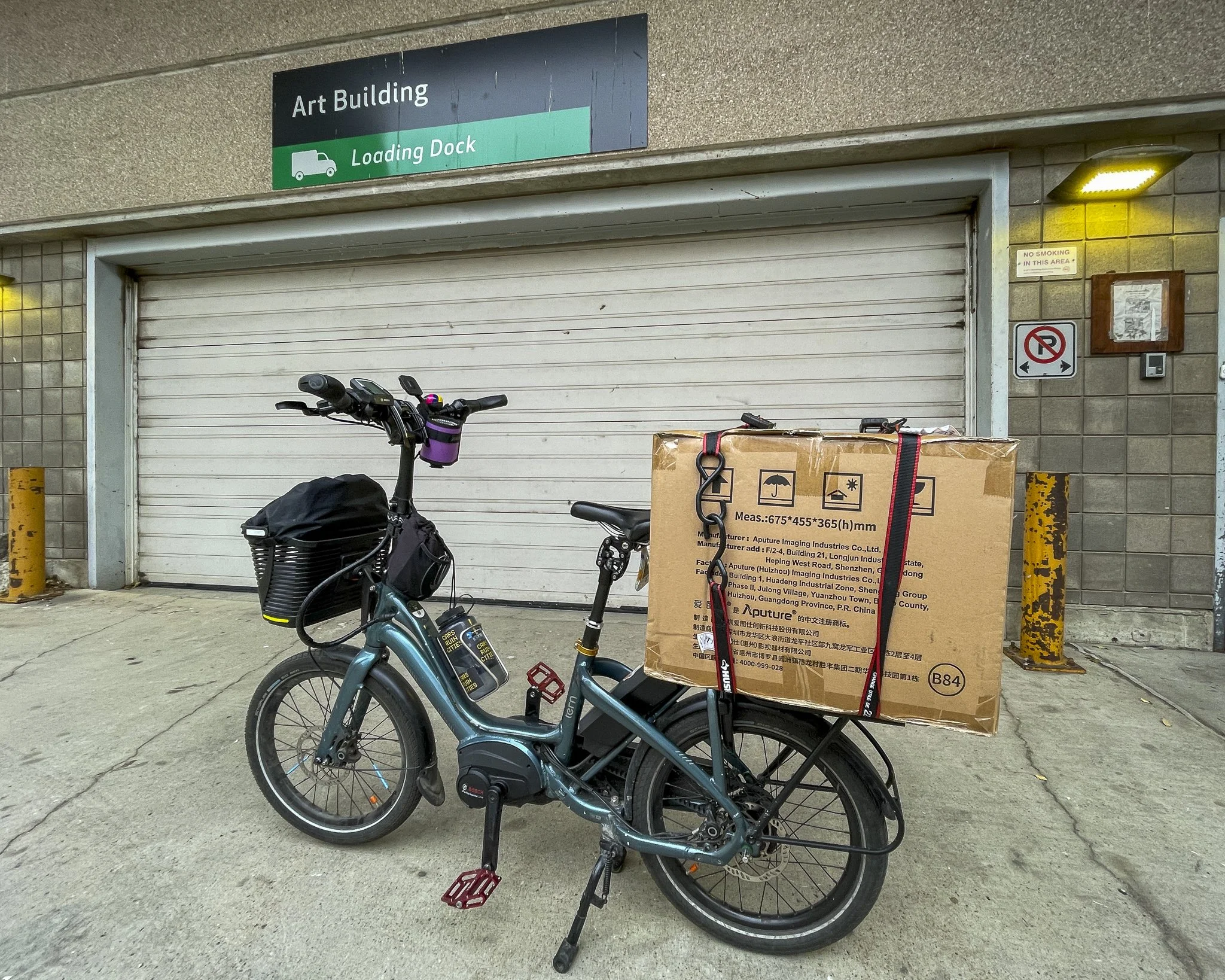
I walked to work for 4 ½ years—a thirty-minute leisurely journey—where I always stopped to make photographs or varied my route from across the river into downtown. This woke me up in the morning and calmed me down after an intense day of working retail and soon became the best part of my day. I was always on time because my legs didn’t need warming up in the winter or were ever stuck in traffic. The idea of liberating myself from the tyranny of the automobile really took hold after a trip to Spain to photograph Spanish Civil War veterans. A robust, reliable, and frequent metro system in Barcelona together with walkable, human-scale density and design made for a trip that felt like a dream. Back home, building up a single-speed bicycle made any destination downtown realistically achievable under human power. Now, almost two years car-free with an all-terrain bike for the winter and e-bike for heavy & bulky cargo, freedom from car manufacturers and insurance and paid car-storage (parking) is something I am determined to never lose.
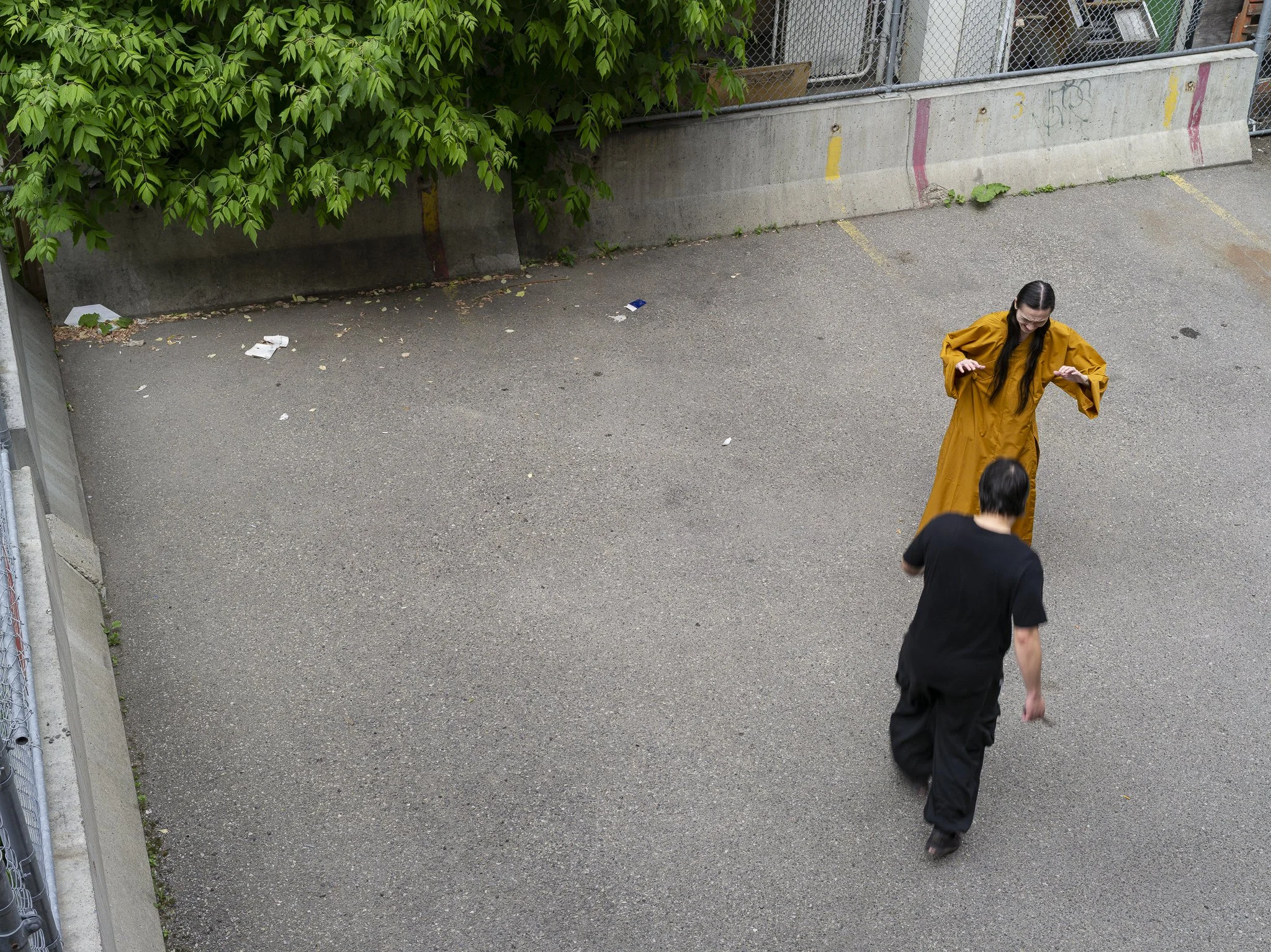
Fig. 3. A Schindelhauer Gustav with props for my MFA photography project.
Side note: A majority of my longer drives within the city were to strangers’ homes to buy stuff I didn’t need through Kijiji or Facebook Marketplace. Now, the extra friction to commute to suburban sprawl really limits the time I spend finding something to want.
What’s next?
In March, I’ll be sharing my experience following a studio-visit with Alec Soth and more info about my MFA thesis project.
Thanks for reading.